-
Now I Understand: What is Oblivious RAM?
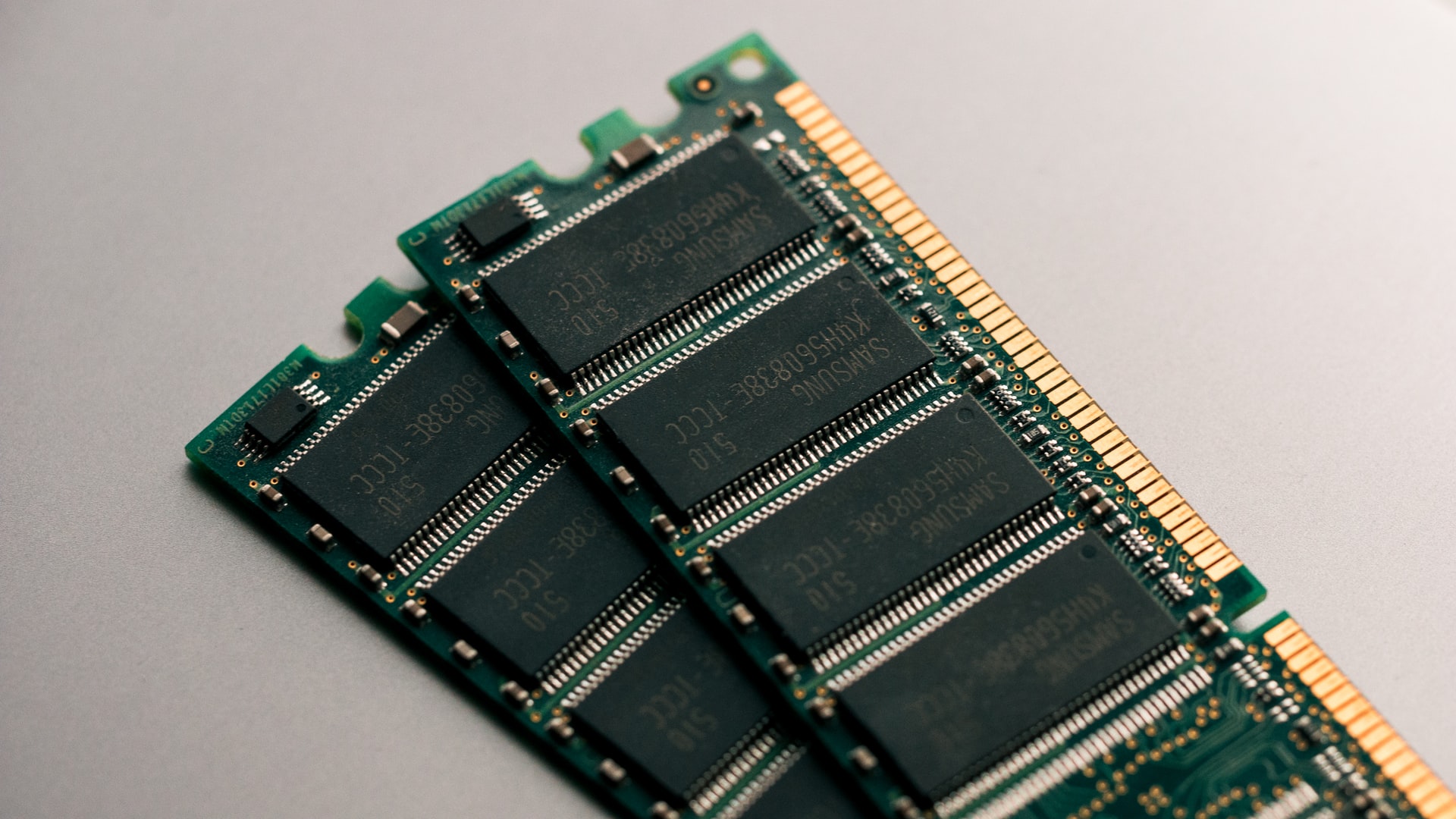
ORAM is the acronym of an Oblivious Random-Access Machine. The main idea is to hide the access patterns from attackers. For example, when a client tries to access data stored in the server, the server cannot gain any information about the user access pattern. Imagine data storage, where each data is inside a block, and…
-
How to Run Linux on RISCV in Arty A7-100T FPGA

It’s been tempting for me to try running open-source software on top of open-source hardware. SiFive provides a bitstream for Arty A7 called Freedom, but it seems that the repository is dead now. The other interesting alternative to try is VexRiscv, and everyone keeps posting about Arty A7 35T while I only have the 100T…
-
Git Pristine: How to Pristine Clean Your Dirty Git Repository

-
QEMU: How to Enable Plugin Build
-
This Makes My RISC-V Trap Handler Does Not Work
-
The RISCV ISA Documentation Is Better than RISCV Green Card
-
My Quick Ways to Auto Format Code in VSCode
-
Stuck at Debugging RISCV on Arty A7 using J-Link
-
How to Install Xilinx using Command Line in Four Steps
-
How to View .dot Files in Ubuntu
I was working with LLVM recently to create a callgraph using opt -view-cfg. But unfortunately it doesn’t work. Here is what I got instead: This means there is no application registered for handling .dot files. Even if I already installed graphviz. Solution is, install xdot. sudo apt install xdot Now you can opt -view-cfg to…